Chinese Herbal Tea Blending Workshop
Event at a Glance —
Date: February 2026
Collaborator: Zentuary Healing Center · Fort Lee, New Jersey USA
Format: Interactive Workshop & Tasting
Length: 90 minutes
Audience: 25 participants
Skills: Concept Development · Event Curation · Teaching · Facilitation · Hosting
Overview —
A hands-on workshop specially designed to introduce the basics of Chinese herbal teas, Qi, and yin/yang energy through an informational talk, sensory tasting, personal storytelling, and a hands-on tea blending experience. Participants learned about the flavors, benefits, and cultural context of a variety of dried herbs and flowers popular in Eastern and Western cultures that have been used for centuries to maintain the body’s overall health and balance yin/yang energy. Each person made a personalized tea blend based on their learned yin/yang type to take home to enjoy as a wellness support and complement to their energetic healing journey.
The Idea —
As a Cantonese American and food scientist, I find joy and purpose in sharing knowledge shaped by my cultural, educational, and experiential background. Inspired by my family’s heritage and my own journey learning about traditional herbal remedies, I wanted to create an approachable way for others to explore Chinese herbal tea and its traditions. Drawing on my experience in the flavor and food industries, I designed an interactive workshop centered on herbal tea principles, sensory exploration of aroma and flavor, and hands-on learning—using tea as an entry point into Chinese foodways and cultural traditions.
The Experience —

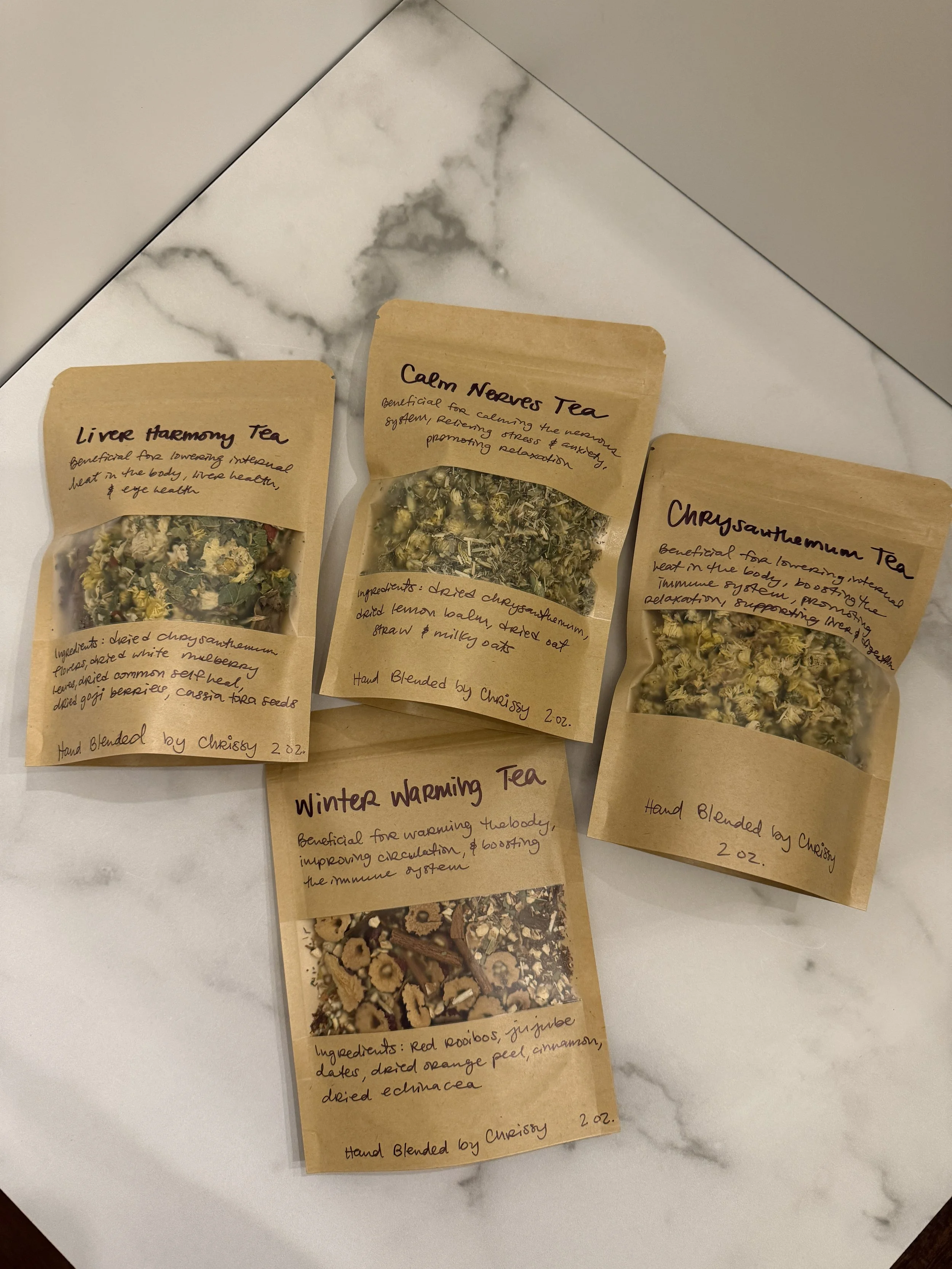
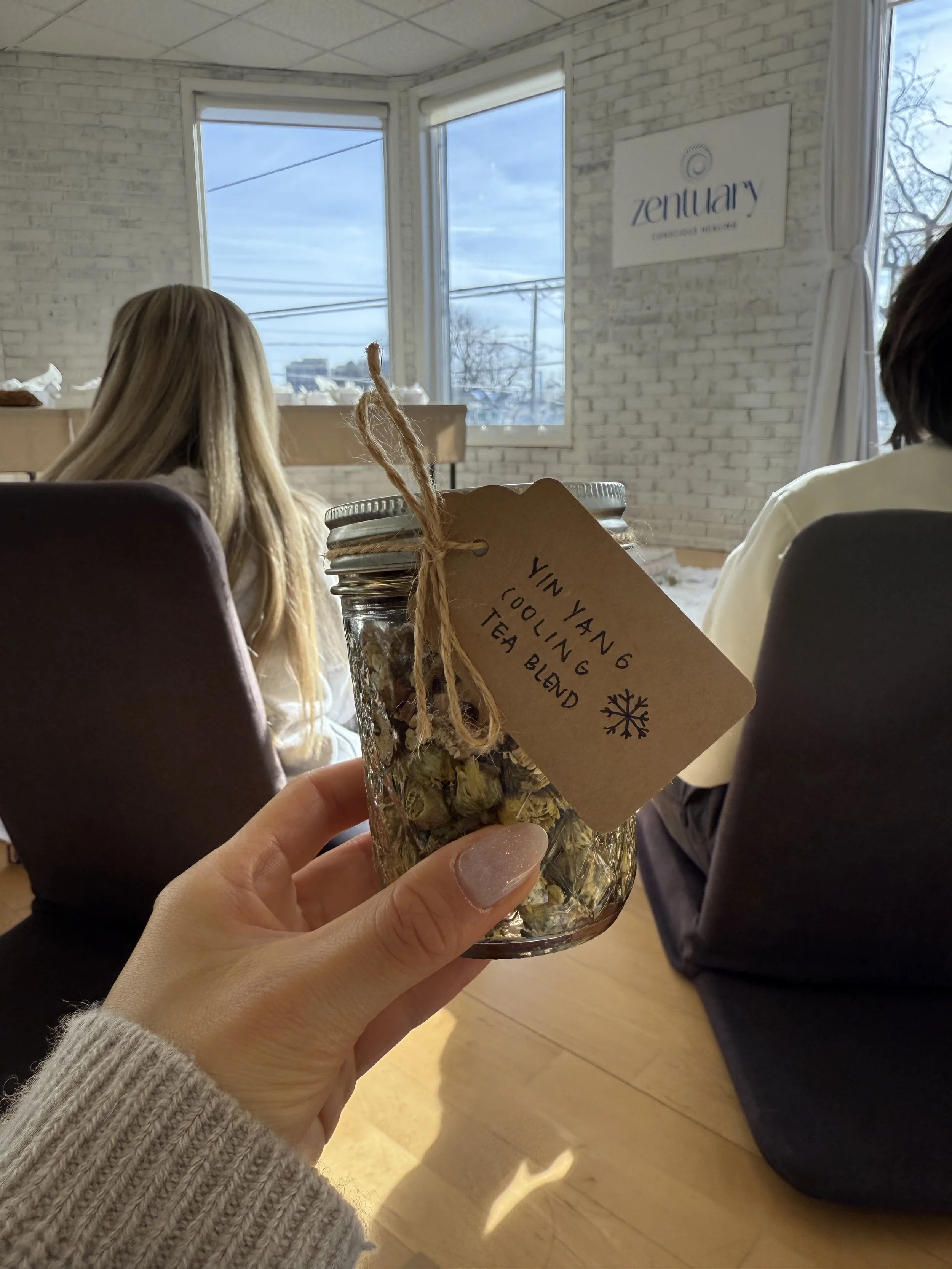
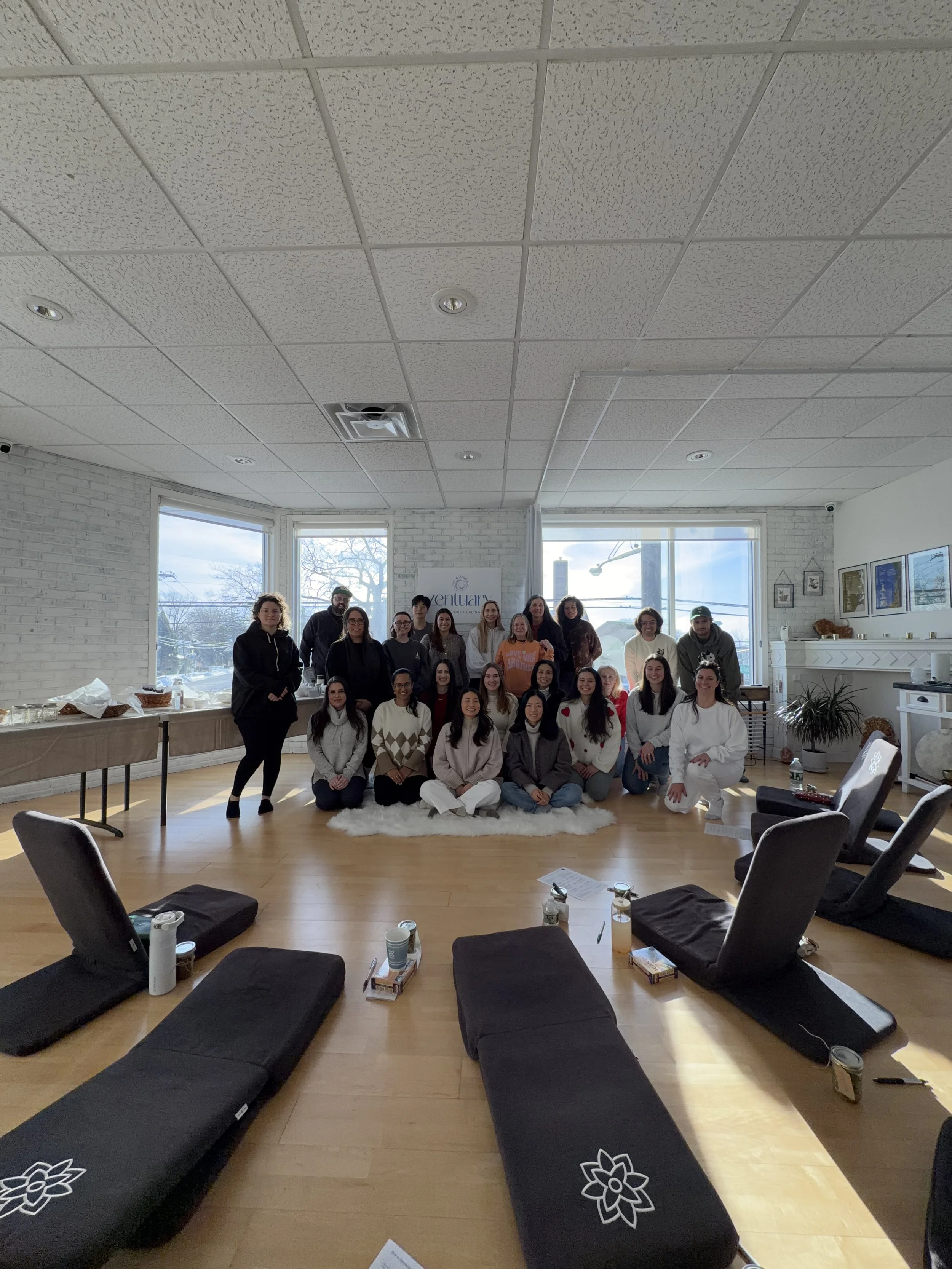
01 — Introduction
A brief introduction of Chinese herbal teas, cultural influence, and storytelling of my personal experiences as a Cantonese American and food scientist.
02 — Educational Talk
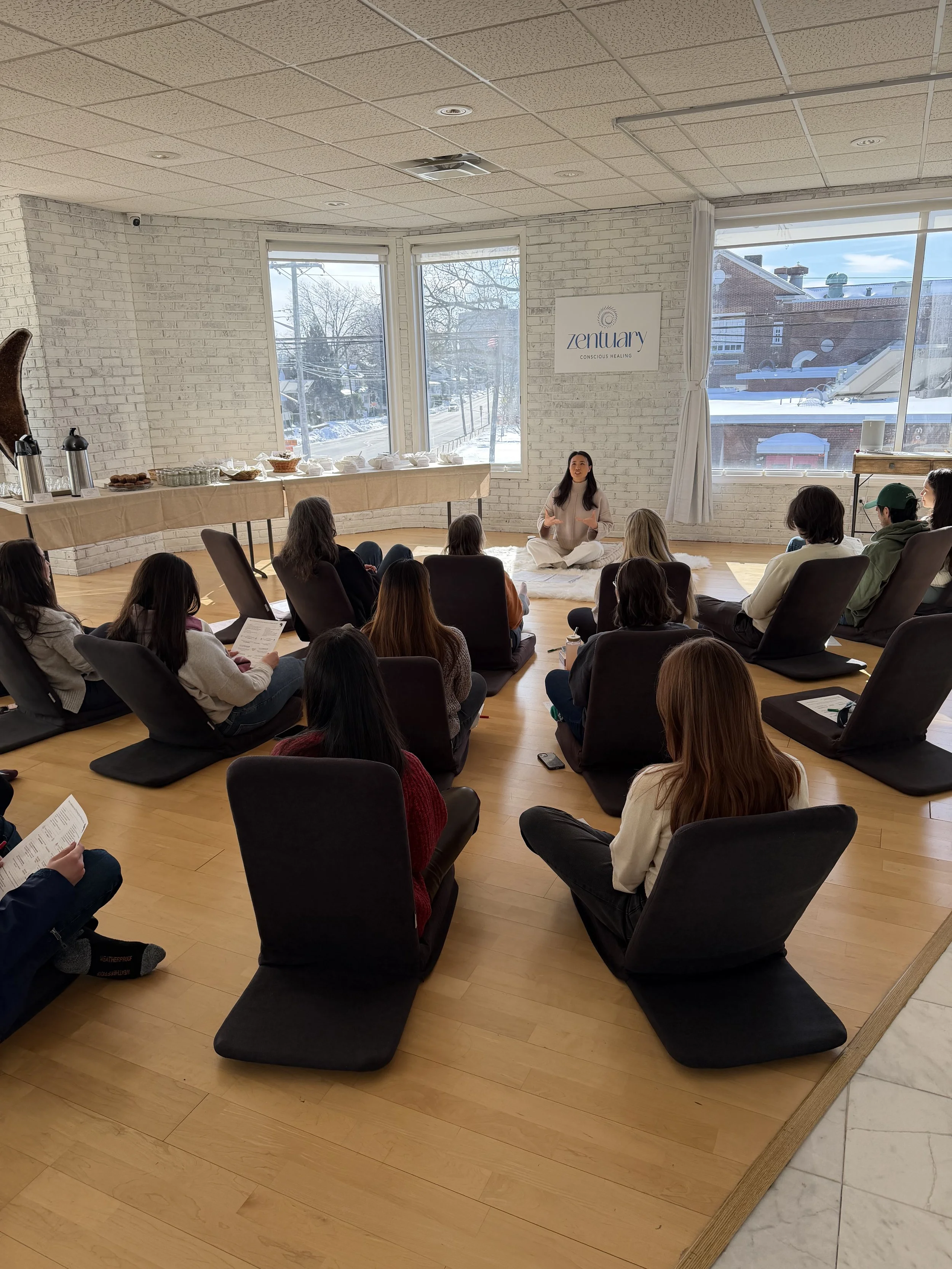
An informational talk centered around principles of Traditional Chinese Medicine (TCM), Qi, yin & yang. An exploration of flavors and benefits of various foods, herbs, and flowers used to support balance in the body.
03 — Sensory Exploration
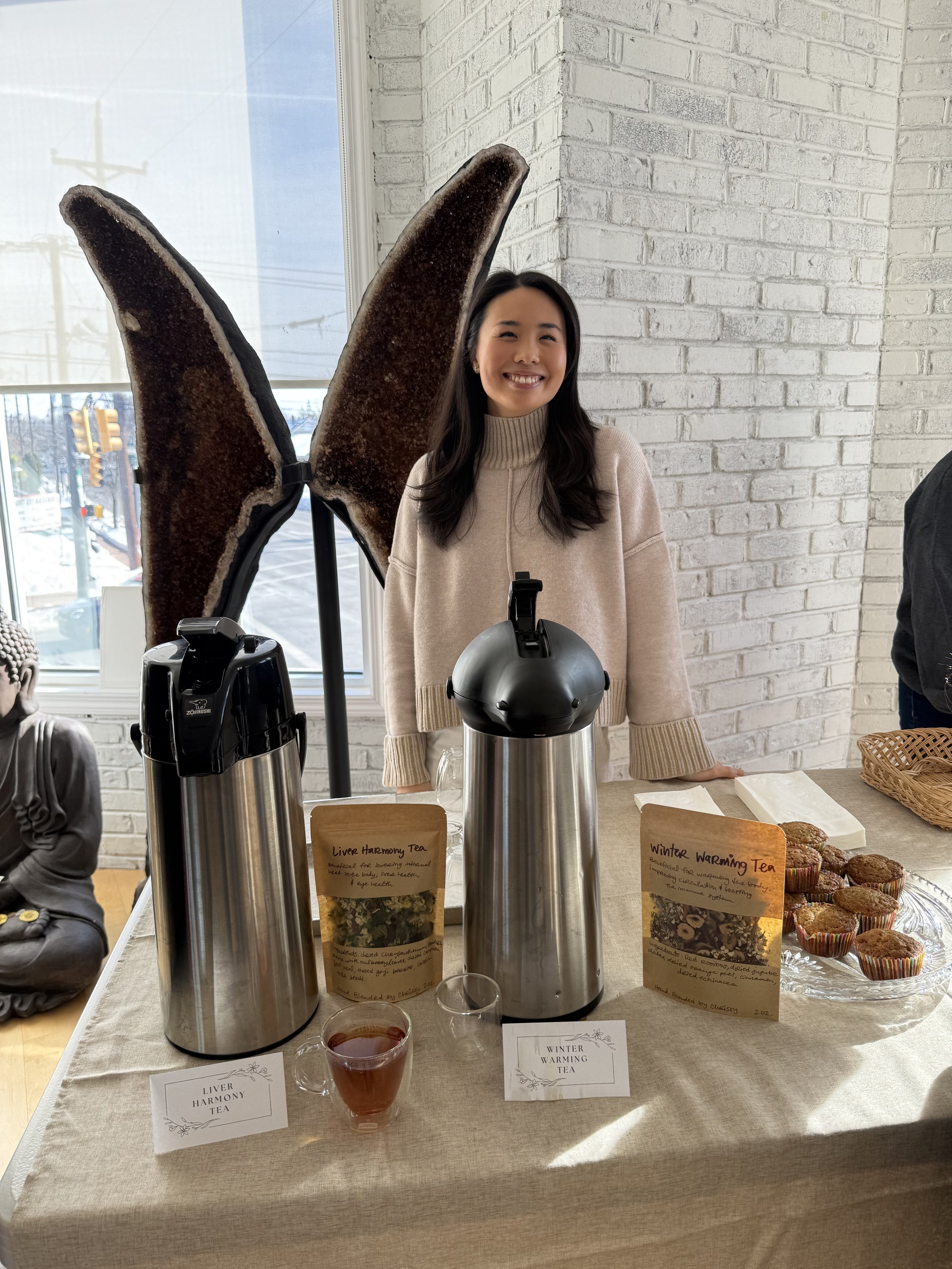
An exploration of distinct aromas and flavor profiles of various dried herbs, flowers, and brewed tea blends.
04 — Tea Blending Experience
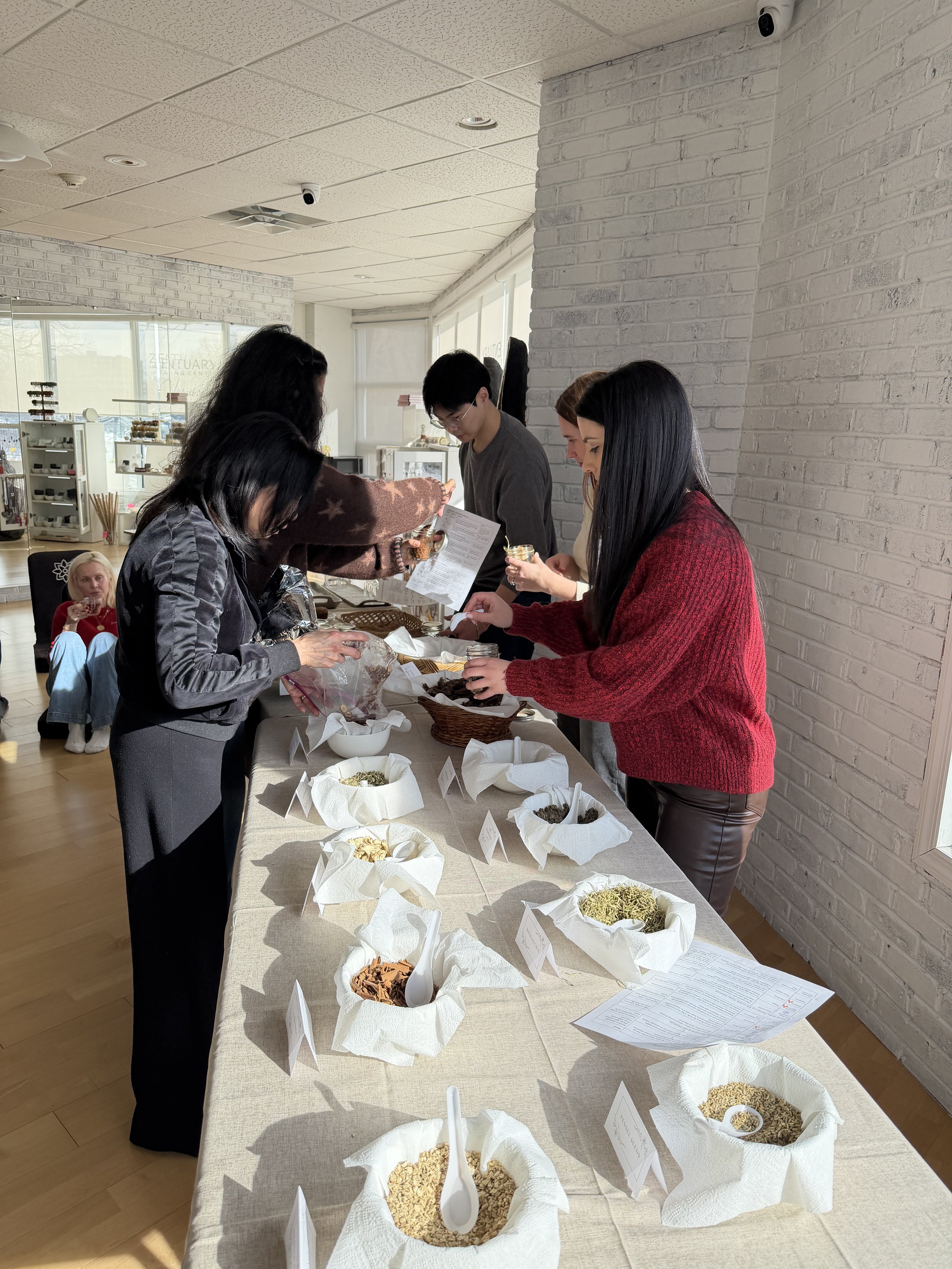
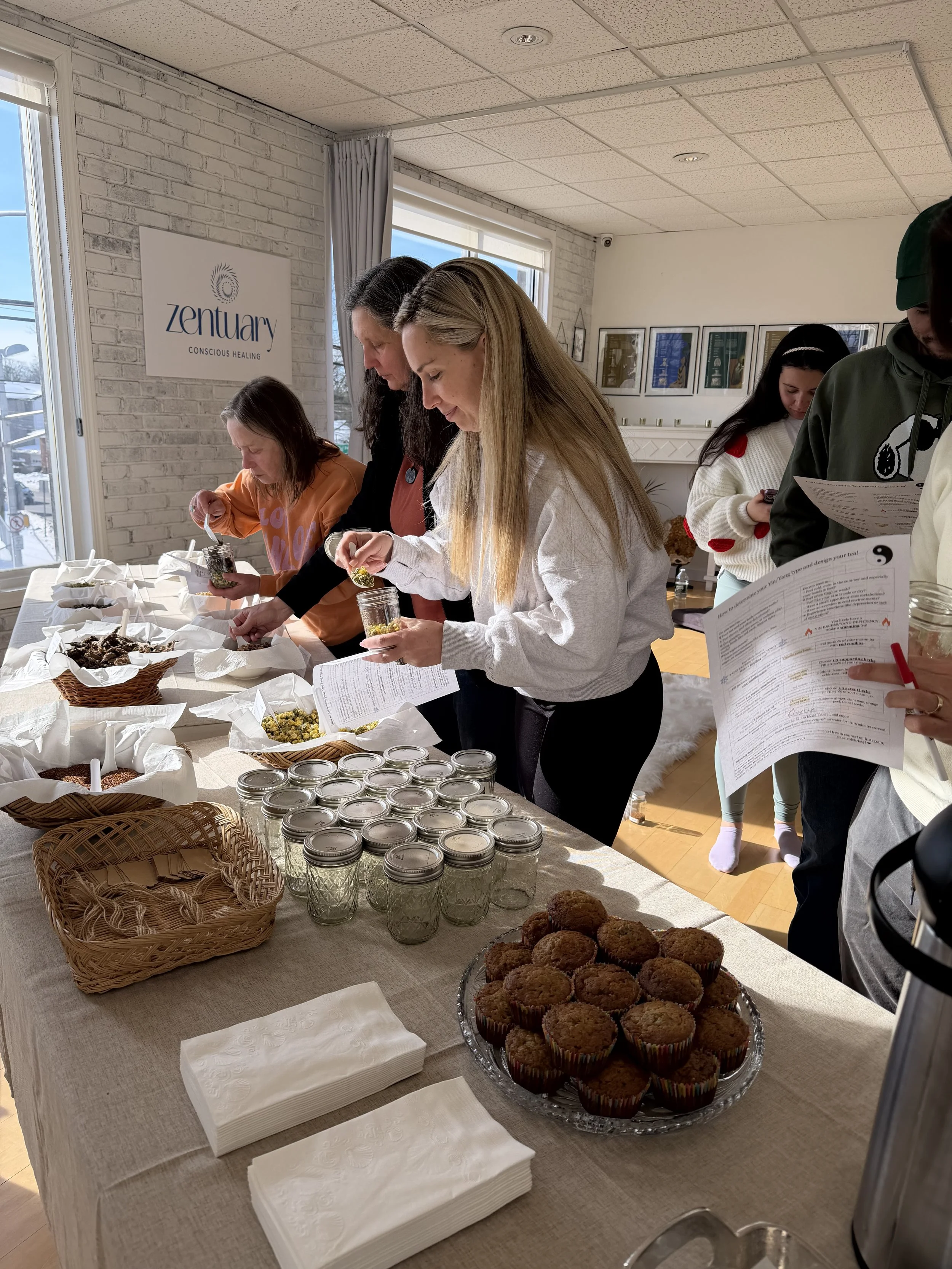
Using a custom decision tree and handout, each participant determined their yin/yang energy type and explored the flavor profiles and benefits of various herbs and flowers before creating a personalized herbal tea blend to take home.
05 — Q&A and Conversation
An open discussion where participants shared observations, reflected on the experience, and asked questions for further understanding.
A Few Ingredients Explored —
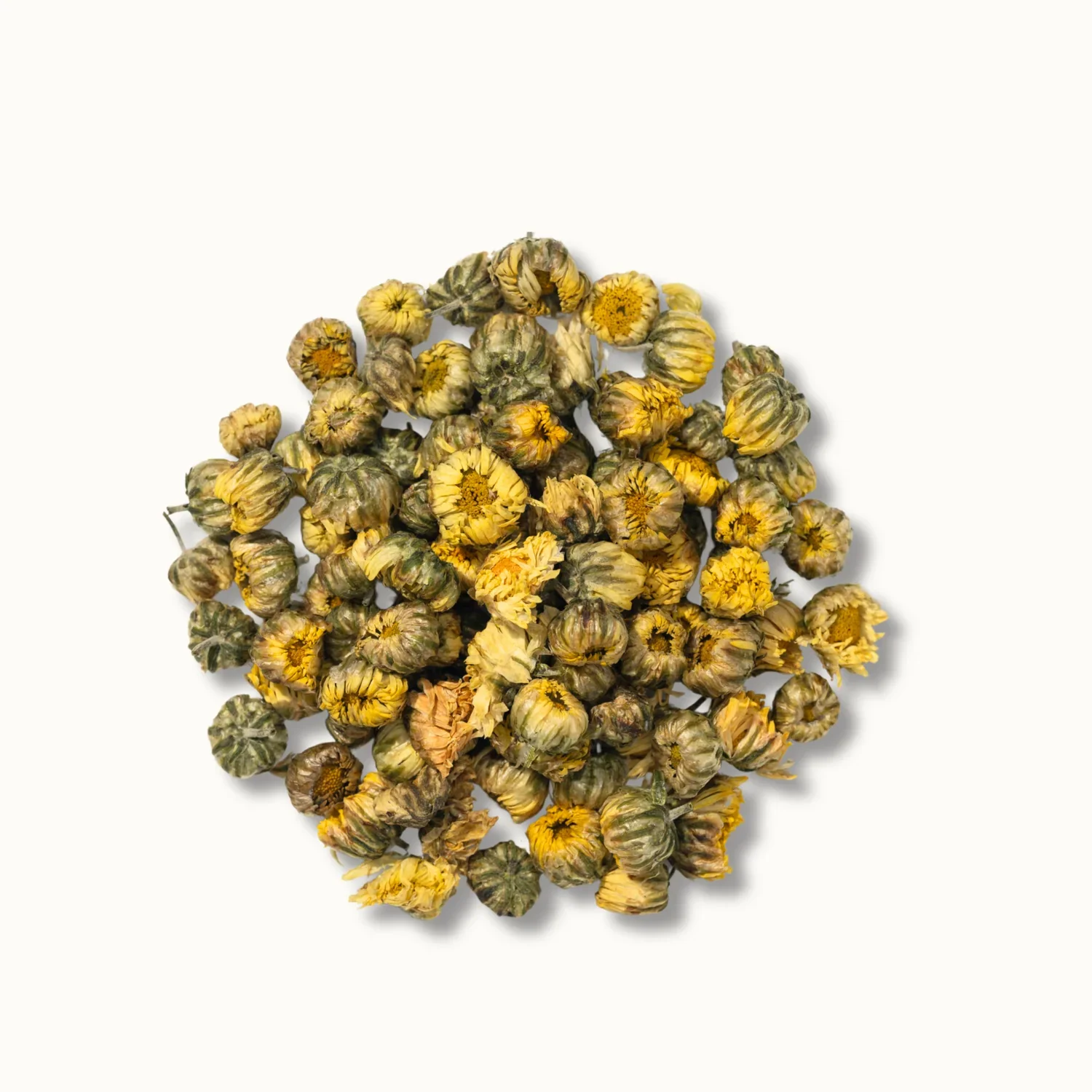
Chrysanthemum Flower
Flavor: Floral · delicate · slightly sweet
Function: Associated with cooling qualities in Chinese herbal traditions. Supports the immune system, digestion, liver & eye health, promotes relaxation.
Brewing: Traditionally enjoyed as an herbal infusion. Small flowers are best steeped in a cup of hot water while larger, more mature flowers are ideally brewed in a pot of boiling water.
Reflection: Growing up in a Cantonese family, I drank chrysanthemum tea every week and is my go-to choice after a rich meal to aid in digestion, a great sleepy-time tea just before bed, and for me, offers a sense of comfort and home.
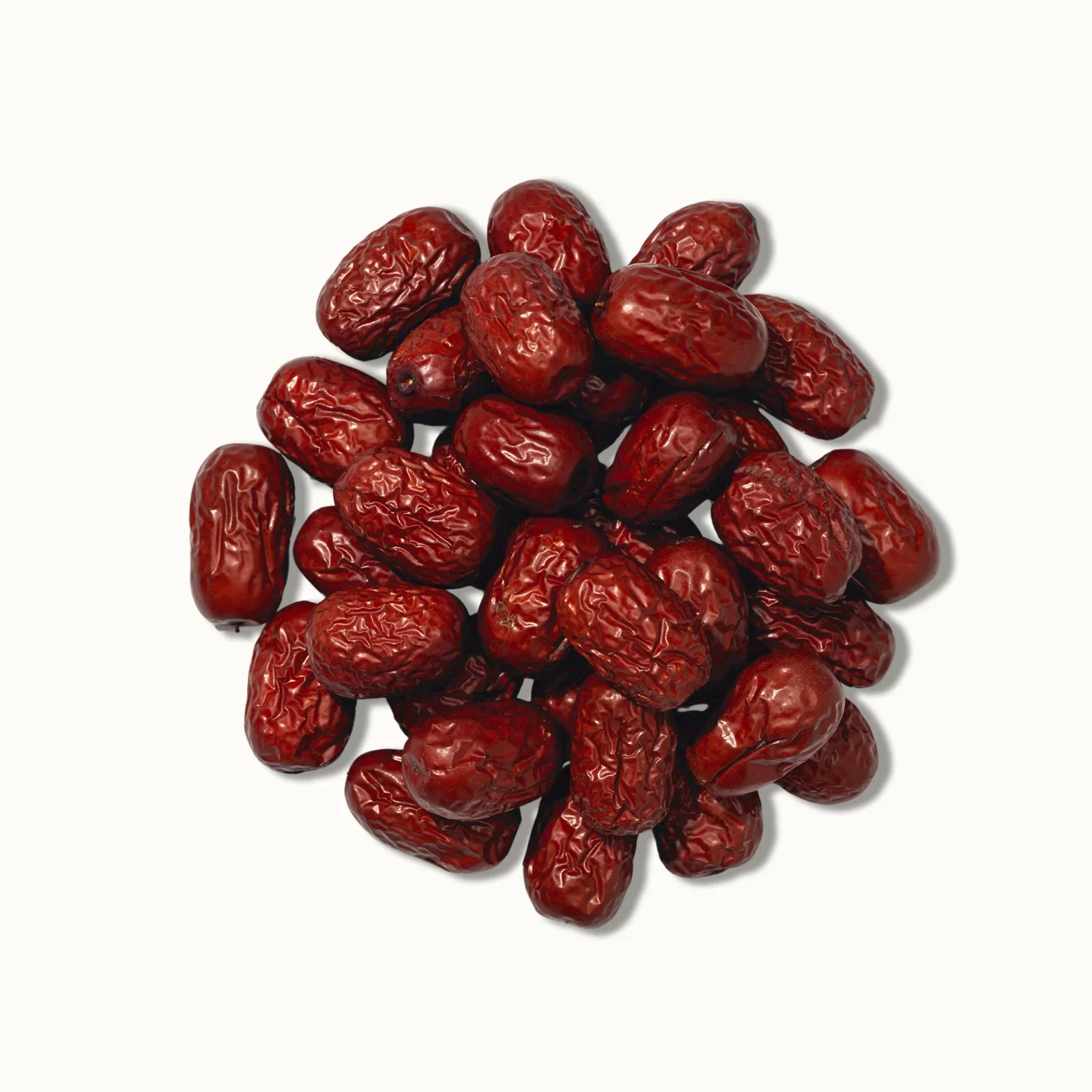
Jujube Dates
Flavor: Sweet · fruity · caramel · honey
Function: Associated with warming qualities in Chinese herbal traditions. Good source of antioxidants, supports women’s health, tonifies spleen Qi, nourishes the blood, promotes relaxation.
Brewing/Usage: Typically boiled in a tea blend, soup, or broth. The dates are also used in Chinese desserts representing good fortune, a sweet life, and prosperity.
Reflection: Jujube date tea is especially beneficial during menstruation as it aids in easing menstrual cramps, nourishes the blood, and promotes relaxation. I love to incorporate the dates in Chinese desserts for its sweet fruity flavor and for sweets enjoyed during Chinese New Year to wish someone personal growth and prosperity.
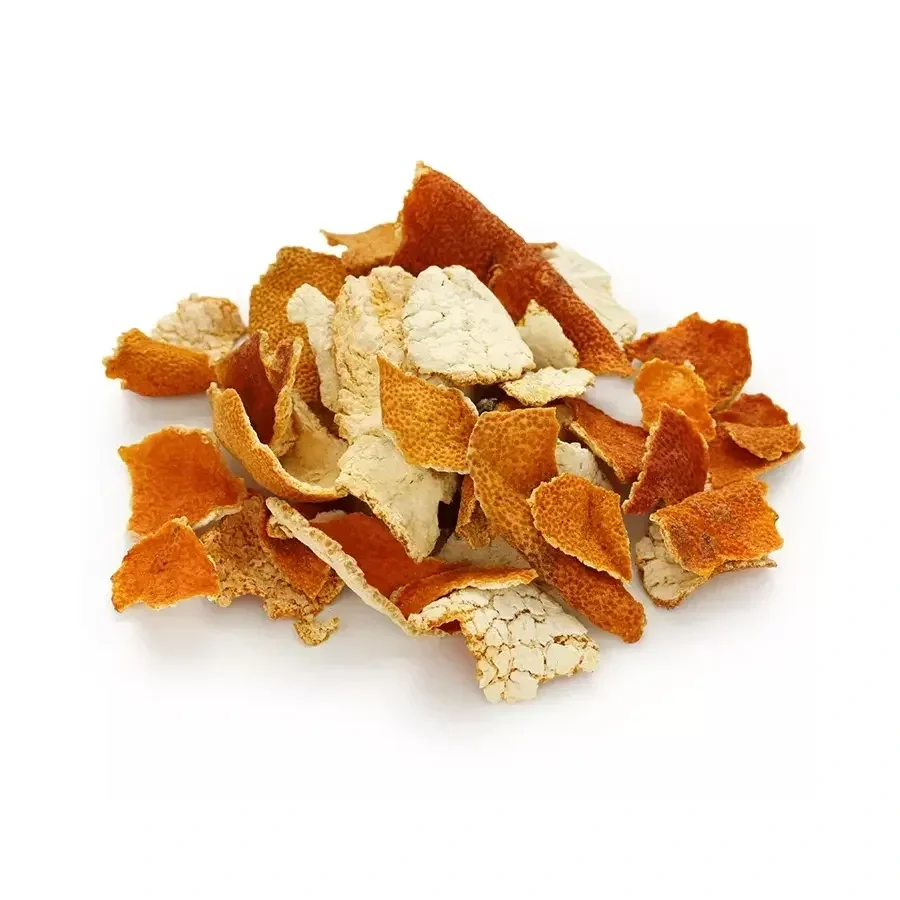
Orange Peel
Flavor: Citrusy · sweet · slightly bitter
Function: Great for supporting digestion/bloating, cardiovascular health, immune system, and cognitive function.
Brewing/Usage: Chinese orange peels used in teas are dried and often aged. They can be either steeped in hot water or simmered in boiling water depending on desired strength, flavor, and medicinal benefit.
Reflection: I like to consume dried orange peels whenever I am needing support for digestion, bloating, or motion sickness. Often, my family uses dried orange peels in food applications by adding to soups or stews to cut through rich, fatty ingredients, reduce meat gaminess, and to desserts for a bright, citrusy flavor.
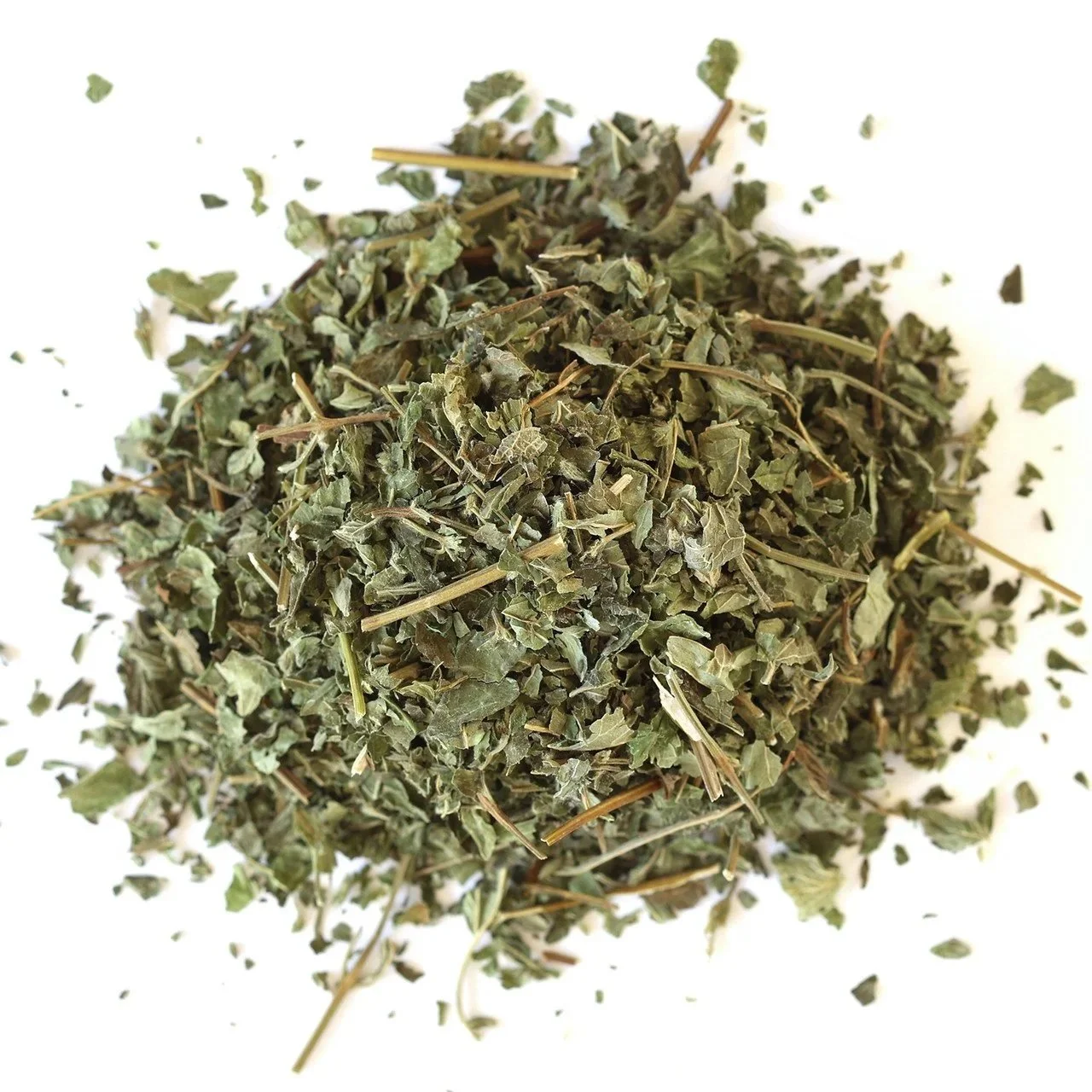
Lemon Balm
Flavor: Herbaceous · minty · slightly citrusy · slightly sweet
Function: Lemon balm is more commonly found in Mediterranean and Western herbal traditions than that of Chinese. Lemon balm is associated with cooling qualities and helps support the nervous system, anxiety, stress, sleep, and eases digestion.
Brewing: Typically enjoyed as an herbal infusion by steeping leaves in hot water.
Reflection: Lemon balm is a newer addition to my own herbal practice, aiding in supporting the nervous system. I often combine lemon balm leaves with chrysanthemum flowers and milky oats to create a tea blend to support relaxation and the nervous system. I’ve decided to include it in this workshop to showcase supporting herbs from both Eastern and Western herbal practices that could be intertwined with a unique perspective.
Reflections —
Creating this hands-on workshop expanded my perspective on how to design an experience with detail and intention, weave together my heritage and personal experiences, and create opportunities for people to learn through hands-on engagement. There is tremendous depth and complexity within traditional Chinese herbalism, Qi, and yin & yang, so it was important to synthesize what I’ve learned through my family and independent study into an approachable, simplified, and interactive experience. I enjoyed seeing how curious people were about Chinese culture and herbal traditions, and realized that concepts familiar within my own family could be completely new to someone else. It was a meaningful reminder that we always have something to teach, learn, and share with one another.
I was especially interested in seeing how differently people experienced the same teas and ingredients. During the winter workshop, some participants gravitated toward warming ingredients such as cinnamon and ginger, while others were drawn to cooling ingredients such as chrysanthemum and honeysuckle based on the principles we discussed. Others connected certain ingredients to their own experiences, memories, or cultural traditions. It reminded me that teaching through sensory experiences isn't about providing the “right” answers, but rather it’s about creating a supportive space where people have the tools to understand themselves better, develop their own observations, and create something meaningful out of the workshop.
Ultimately, the experience taught me a great deal about my own teaching style and how to curate an interactive, community-oriented workshop. It also reinforced my belief that food and beverage can be powerful vehicles for cultural learning. Rather than simply explaining a set of principles or traditions, people can engage with them through their senses, curiosity, and hands-on exploration.